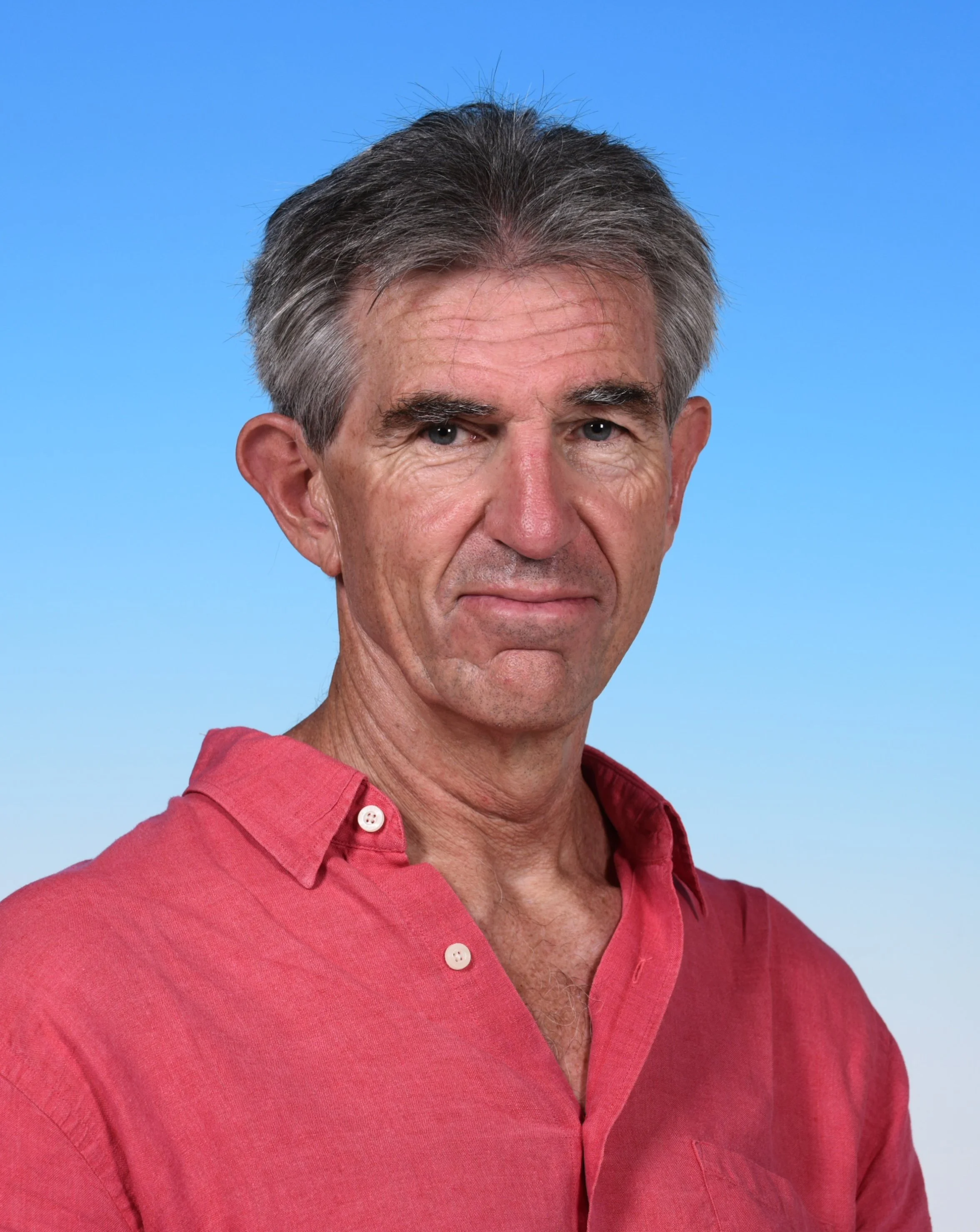
Jerry Patchell is an author based in Hong Kong and otherwise cycling, skiing or swimming around some part of the planet.
Recently released from academic confines, he can investigate long standing interests with empathy and anecdote. First up, Milk Contains Multitudes. An argument that milk deserves greater appreciation for the joys of its tastes, health outcomes and sustainability.
About
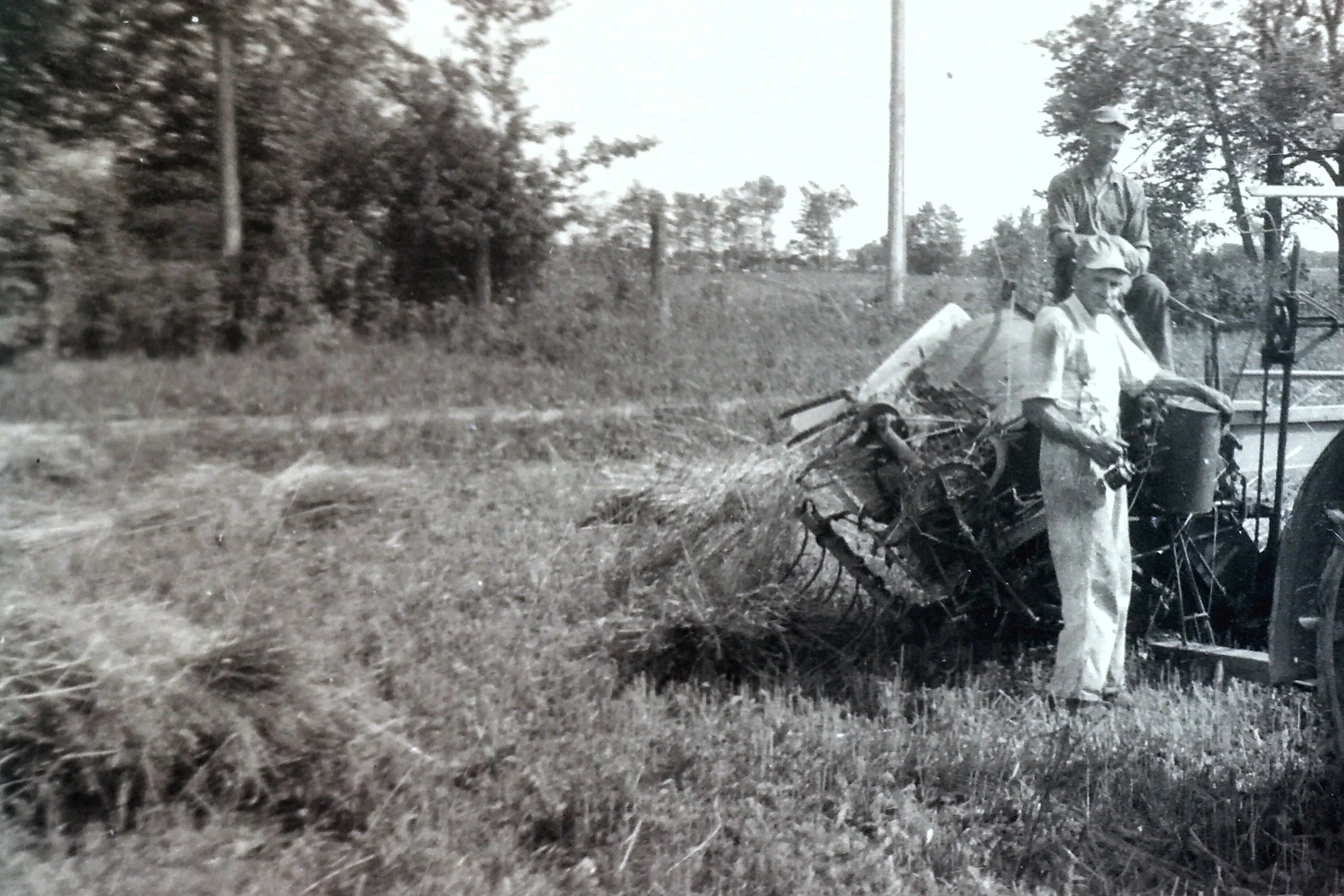
Grandfather Lance Clarke and uncle Johnny harvesting circa 1930’s.
Jerry Patchell is a retired professor of economic geography from the Hong Kong University of Science and Technology. Throughout his career, his research focused on a central question: how do regional communities balance competition and cooperation to build sustainable, thriving economies?
While his fieldwork has spanned diverse industries across Asia, Europe, and North America, his most relevant work for Milk Contains Multitudes lies in the territorial organisation of the wine industry. By studying how estate growers in regions like Bordeaux, Napa, and Chianti Classico balance their individual brands with the collective identity of their region, Jerry developed a deep expertise in the economics, culture, and institutional frameworks of terroir. While the concept of terroir is crucial, it has to be understood as a cog within larger production, distribution and marketing systems that determine the fate of alternative agricultural endeavours. His research is fundamentally human-centric; he specialises in on-the-ground interviews with businesspeople, government representatives, and local stakeholders to map out the relationships that drive regional success.
Beyond his academic credentials, Jerry’s connection to the subject matter is deeply personal. His grandparents owned a dairy farm, and he spent a couple of summers working the fields and barn. This combination of research on the decommodification of agriculture and firsthand experience in the milking parlour and muck bin uniquely positions him to bridge the ideals of terroir with the lived reality of dairy farmers.
Jerry has published extensively in academic journals on local development, sustainability, and regional economics. Milk Contains Multitudes is his first narrative non-fiction book for a general audience, translating his decades of research into an accessible, solution-oriented look at the future of our food system.
Jerry has published extensively in academic journals on local development, sustainability, and regional economics. Milk Contains Multitudes is his first narrative non-fiction book for a general audience, translating his decades of research into an accessible, solution-oriented look at the future of our food system.
Current Project:
Milk Contains Multitudes: Terroir, Tradition and the Future of Dairy
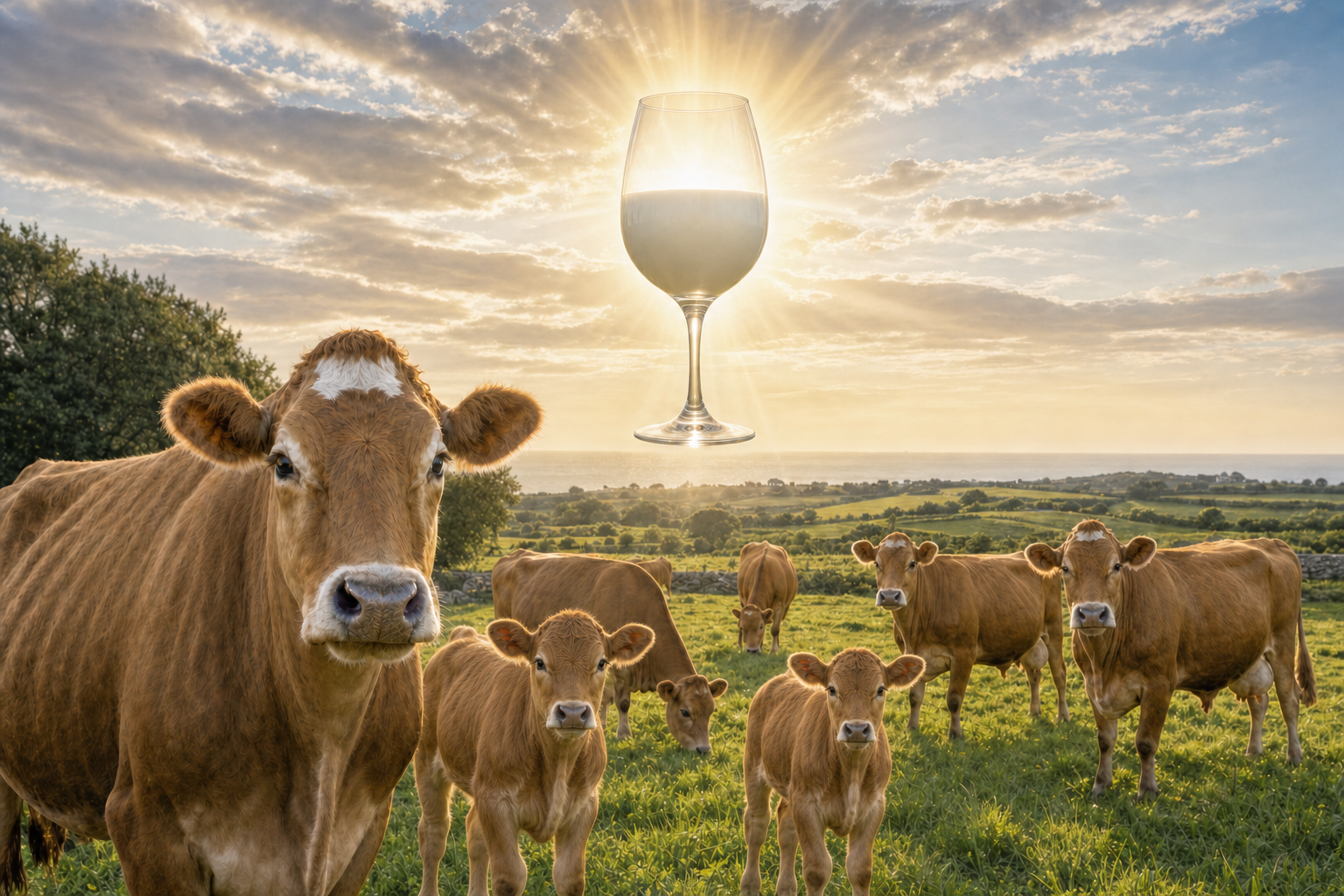
Imagine pouring a glass of milk and pausing to note its golden hue, the aroma of spring grasses, and a complex, buttery finish that lingers on the palate. Let curiosity pull you into a deeper consideration, of the breed of cow providing the milk, the specific pasture she grazed on, and the philosophy of the farmer who raised her. For most modern consumers, this level of culinary reverence is reserved exclusively for fine wine. But milk—one of humanity’s oldest and most foundational foods—is deserving of as deep appreciation.
Milk Contains Multitudes: Terroir, Tradition and the Future of Dairy is a 75,000-word narrative non-fiction book that explores the burgeoning movement to elevate dairy from a cheap, mass-produced commodity to an artisanal product deserving of celebration.
For the last half-century, dairy has been industrialization in an inexorable race for efficiency. Driven by the pursuit of sheer volume, the industry has standardized flavor, compromised animal welfare, and erased the geographical identity of milk. The result is a highly processed product that has lost much of its inherent nutritional value, while the farmers who produce it are continually squeezed out of their livelihoods.
However, a path out of the “get big or get out” trap has been pioneered. Decades ago, the global wine industry was dominated by mass-produced, low-quality blending. The small winegrowers that supplied the industry learned how to differentiate their wines, not only taking large part of the market but also rejuvenating the industry. They did so by educating consumers about terroir, heritage grape varieties, and artisanal care. Milk Contains Multitudes argues that dairy is poised for the exact same renaissance.
A new wave of adventurous dairy farmers is succeeding by raising heritage breeds like Jerseys, Guernseys, Brown Swiss, Ayrshire, using pasture-based farming, and cow-with-calf rearing. These are not just farming choices, but produce milks that vary in flavour and health benefits. These farmers are proving that milk contains multitudes.
The first part of the book argues that, like fine wine, fine milk should and can be a gift to our palates. The first crucial step is to convince readers that milk should be appreciated for its taste qualities. The first chapter compares wine and milk appreciation, detailing the components of wine and milk flavours and the chemistry of flavour precursors, likens grape varieties to cow breeds, and most significantly finds commonality in terroir as the basis of wine and milk variation and nuance. Milk should also be imbibed because not only is it one of our most nutritious comestibles, the variations in breeds and terroirs produce their own diverse health benefits. The third chapter explains how fine milk can be a viable alternative. The industrialization of milk production is reviewed to show not only the challenges faced by fine milk producers, but also their terroir competitive advantages, and how they can complement and integrate into the production, distribution and marketing of the industrial system.
The subsequent chapters take readers out of the theoretical and directly onto the farms. Through immersive, on-the-ground case studies,Milk Contains Multitudesintroduces the diverse farmers and rural communities who are actively building a resilient, cooperative future. The objective is to inspire readers to not only appreciate the joys ofterroirmilk, but also to understanding the profound socio-economic and environmental ramifications of their choices at the grocery store.
Contact
Books
These books were academic grist, but I thought they would be useful to practitioners and anyone curious in the topics, hence they were written in an accessible style.
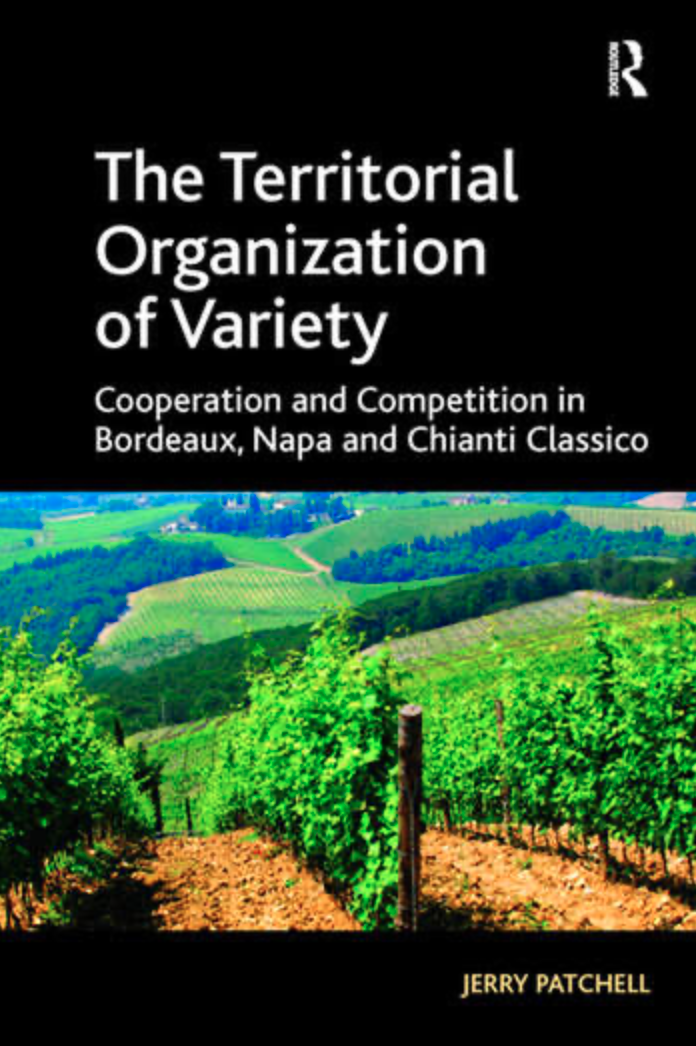
Territorial Organization of Variety (2014, Ashgate)
Explains how winegrowers cooperate to build regional brands while competing through their own brands. Based on interviews in Bordeaux, Chianti Classico and Napa.
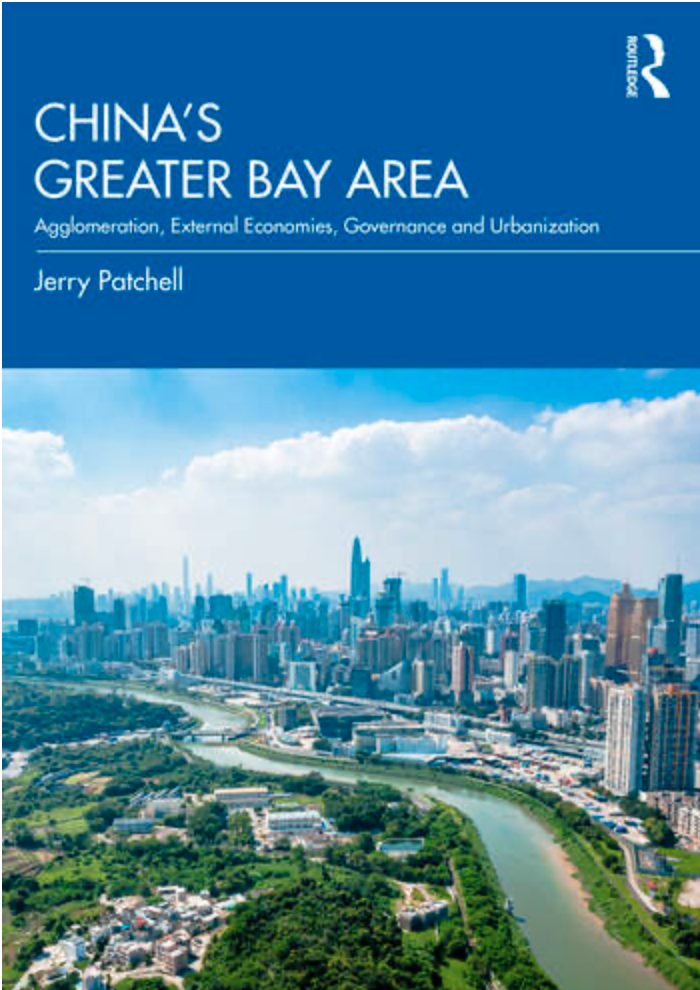
China’s Greater Bay Area: Agglomeration, External Economies, Governance and Urbanization (2024, Routledge)
Reveals how a poor agricultural area in South China evolved into the world’s largest conurbation and an export powerhouse home to companies such as BYD, Tencent and Huawei.
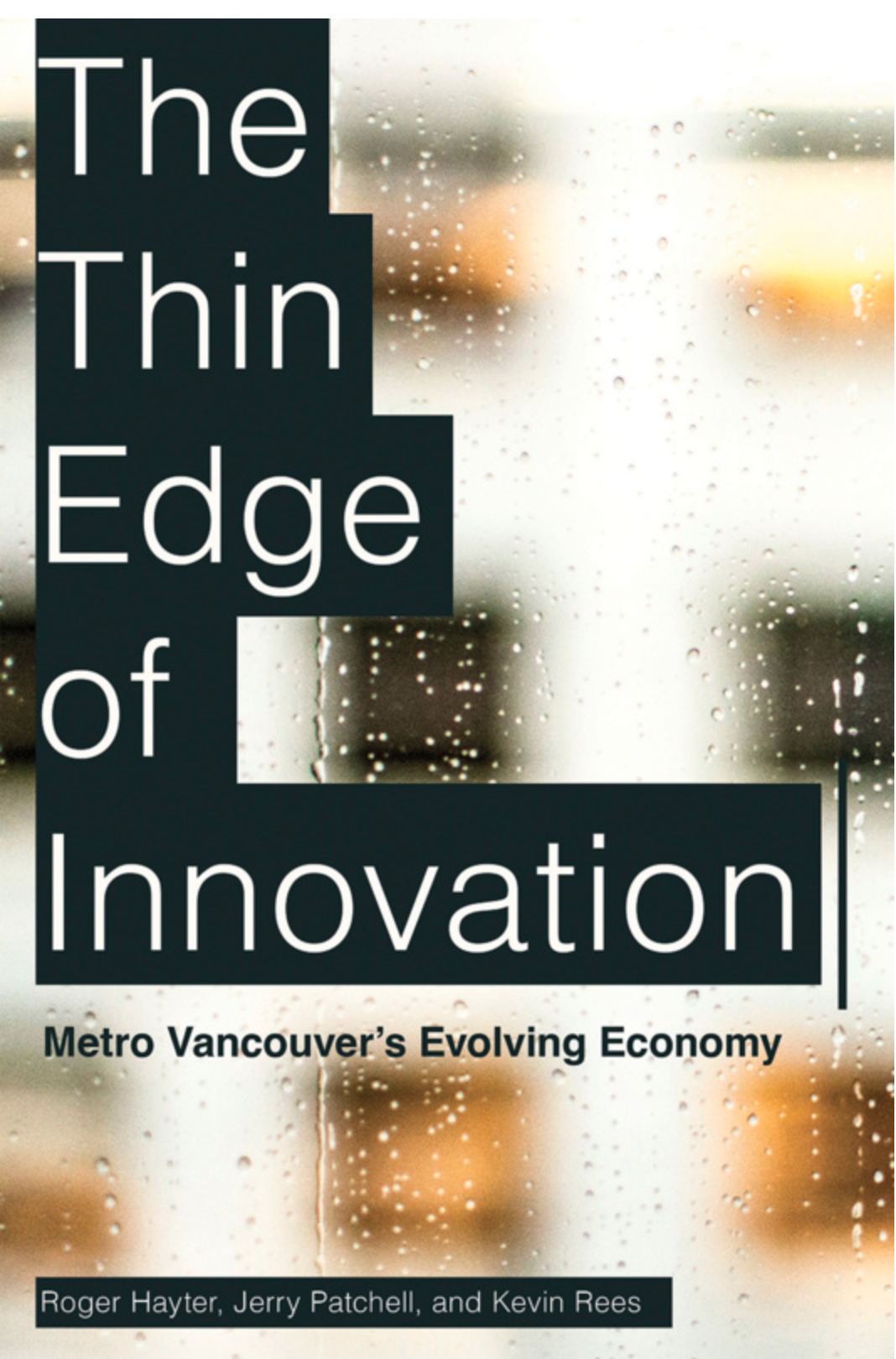
The Thin Edge of Innovation: Metro Vancouver’s Evolving Economy (2025 UBC Press)
Investigates the conundrum of how Vancouver’s success at generating a wide diversity of innovative firms has not produced industries and leading companies capable of generating the number of high level occupations required for sustained prosperity.
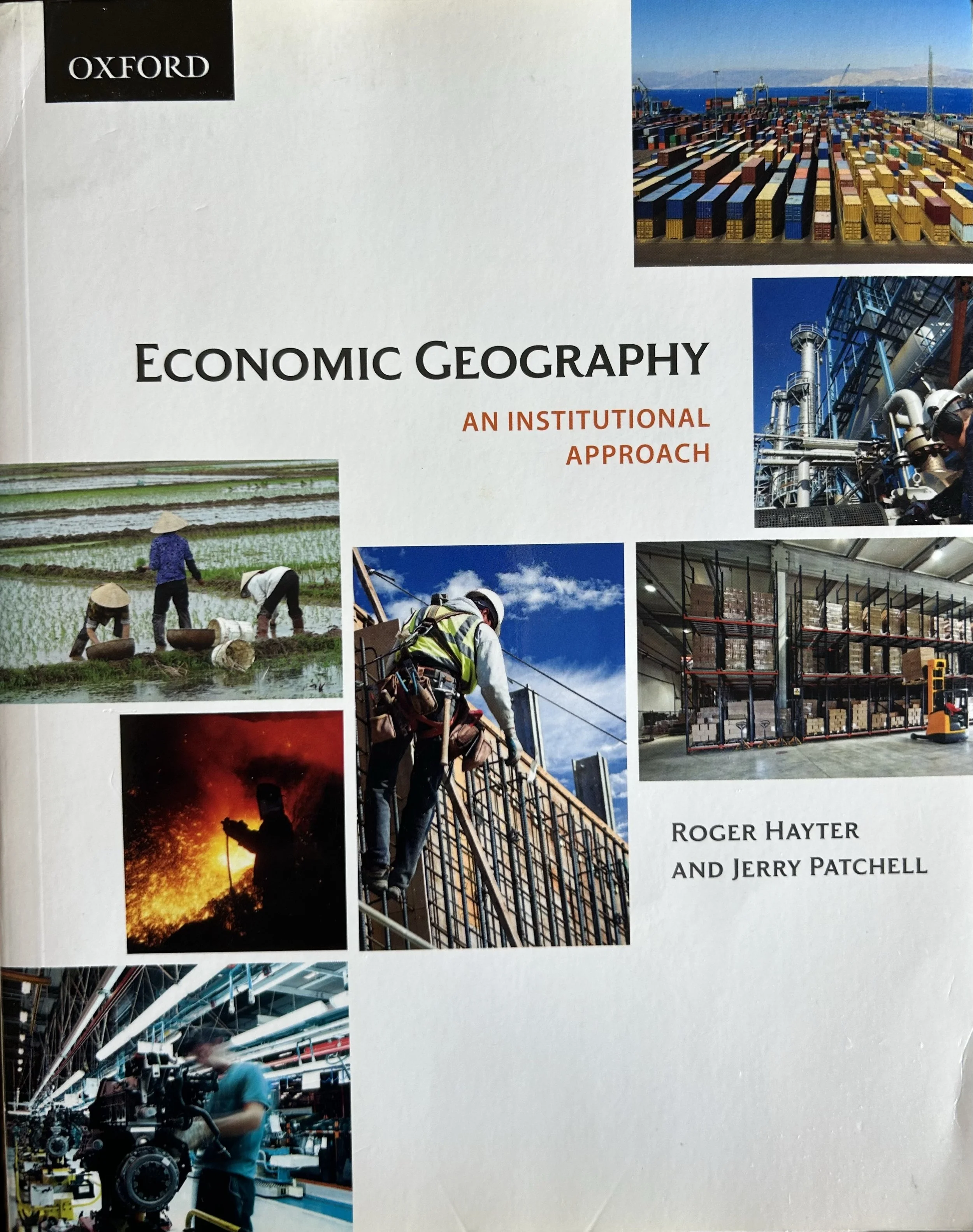
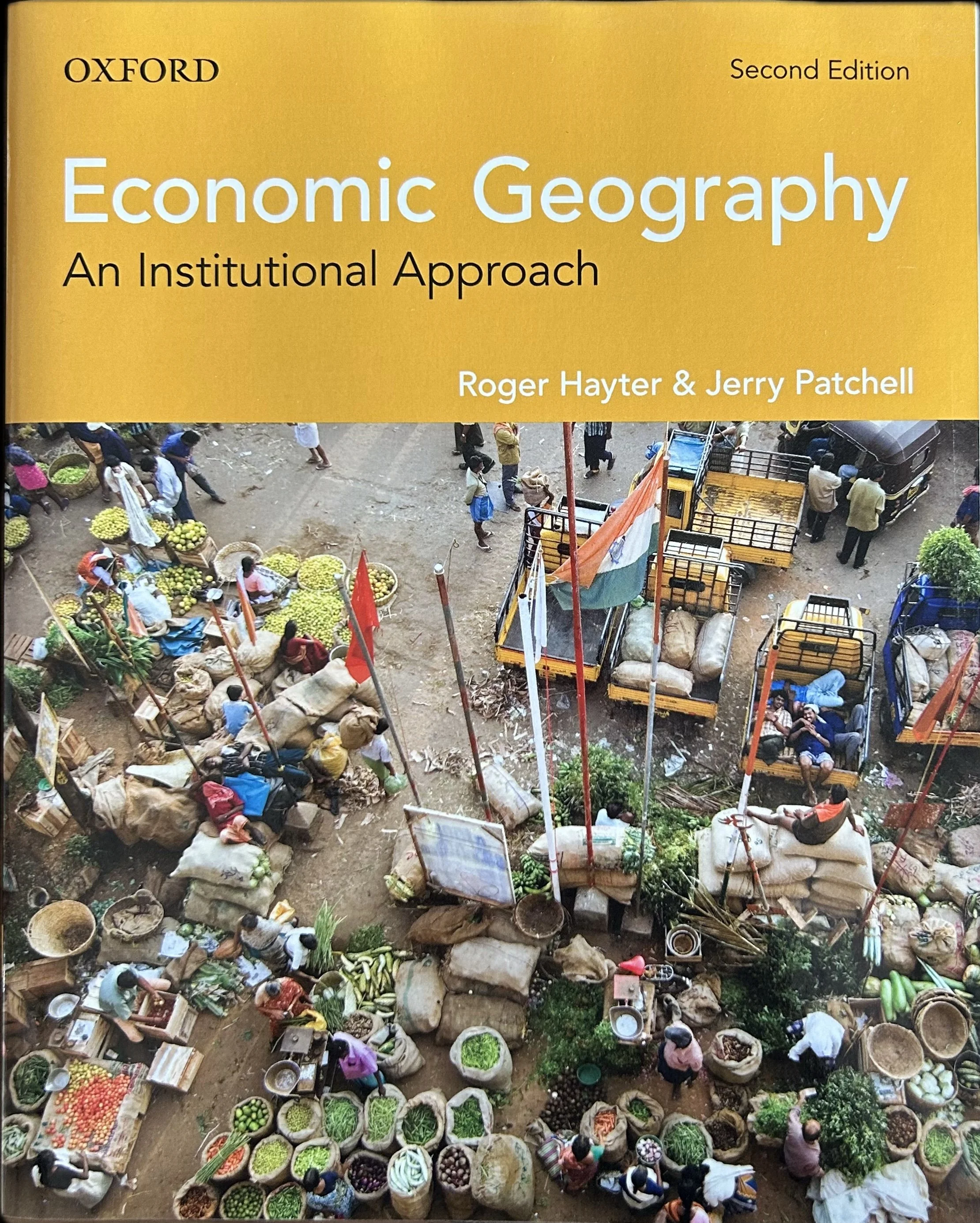
Texts bringing transaction costs, corporate and industrial structure, governance, network economies into the teaching of economic geography.